Wine labels are among the most tightly regulated product labels in the United States. The Alcohol and Tobacco Tax and Trade Bureau (TTB) requires approval of every wine label before it can be sold. Understanding these requirements before you design saves time and prevents costly reprints.
TTB-Required Elements
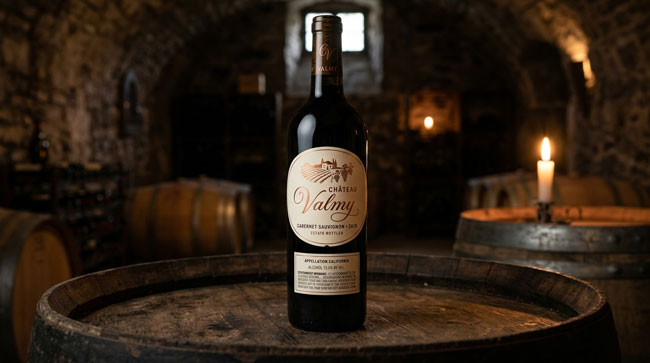
Brand name, class or type (e.g., “Chardonnay”), appellation of origin (where the grapes were grown), alcohol content, net contents, name and address of the bottler or importer, and the government health warning statement are all mandatory. Vintage dates, estate bottling claims, and varietal designations have additional specific rules.
The COLA Process
Before your wine can be sold, you must submit your label to the TTB and receive a Certificate of Label Approval (COLA). This process is done online through the TTB’s COLAs Online system. Approval times vary but typically take two to four weeks. Plan your label timeline accordingly — don’t order a full print run until your COLA is approved.
Design Considerations
Wine labels have a strong tradition of elegance. Foil paper, textured stocks, embossing, and matte finishes all signal quality. Oval and custom die-cut shapes are popular alternatives to standard rectangles. Many premium wines use a front label for brand identity and a separate back label for the required regulatory and tasting information.
Explore our wine labels to see material and finish options, or contact us for help planning your wine label project.
