
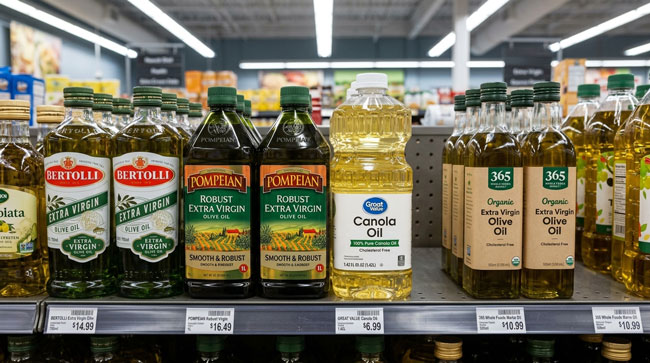
The term “private label” gets used loosely, but the distinction between a private label product and your own branded product has real implications for your label strategy — from design approach to regulatory compliance to how you order.
What Is Private Labeling?
Private labeling means selling a product manufactured by someone else under your own brand name. The retailer or brand owner designs the label and packaging, but the product itself is made by a contract manufacturer. Think store brands at grocery chains, or white-label supplements and skincare.
Label Strategy for Private Label
With private label products, you typically need to accommodate the manufacturer’s product specifications — ingredients, nutrition data, net weight — on your label. Your label is the primary differentiator between your product and your competitors’ products (which may contain the exact same product from the same manufacturer). This makes design quality, material choice, and shelf presence especially important.
Label Strategy for Your Own Brand
When you manufacture your own product, you have full control over every aspect — formulation, packaging, and labeling. Your label strategy should evolve with your brand: start with short-run digital printing while you’re establishing product-market fit, then transition to larger runs as you scale. Invest in design quality early — your label is your brand’s face in the market.
Key Differences in Practice
Private label brands often need flexibility to update labels quickly when manufacturers change formulations or when they add new SKUs. Own-brand companies may invest more in premium materials and custom shapes. Both benefit from a reliable label printer with low minimums, fast turnarounds, and consistent quality.
Whatever your model, build your labels with LabelSwift and get instant pricing.
